
The digital transformation era is creating significant changes in students’ behaviors and lifestyles, particularly in transportation. Technology-based ride-hailing, fast food delivery, and instant shipping services are becoming increasingly popular, providing students with convenient mobility and daily life support. However, alongside these conveniences come safety risks and challenges in maintaining a civilized and responsible traffic culture.
Technology Changing Students’ Mobility Habits
With its speed, convenience, and accessibility, technology-based transport services have become the primary choice for many students without personal vehicles. Ride-hailing apps and tech drivers not only save time but also offer flexibility in choosing routes and transportation modes. This trend partly alleviates parking pressures, reduces congestion caused by personal vehicles, and allows students to access quality transport services at reasonable costs.
Beyond being users, many students actively participate in this digital transport ecosystem as tech drivers or delivery riders, a flexible part-time job with stable income.
However, the downside is the rapid increase in ride-hailing traffic, especially during peak hours, which complicates traffic conditions. Areas around dormitories and campuses often experience congestion due to frequent arrivals and departures, with drivers stopping illegally. This not only obstructs traffic but also raises the risk of accidents.

The rapid growth of food delivery and instant shipping services is also significantly affecting students’ lifestyles (Source: Bách Hóa Xanh).
Traffic Culture Challenged by Social Media
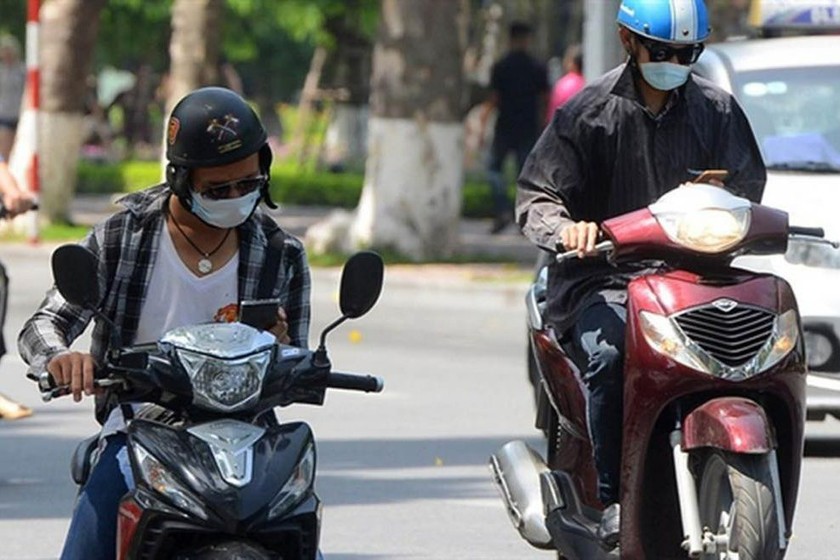
In the era of digital content and social networks, many young people habitually record videos or livestream their journeys—from morning check-ins to weekend vlogs. Actions that may seem harmless, such as using a phone while driving, adjusting cameras, or replying to comments cause distraction.
Some students even engage in dangerous challenges to gain views, such as hands-free driving or standing on moving vehicles, leading to serious accidents. Moreover, sharing personal travel information (license plates, routes, travel times) online without awareness can be exploited by malicious actors. Other risky behaviors include using ride-hailing services at night without verifying driver information or not sharing location with family—particularly dangerous for female students.
All these factors are gradually eroding young people’s traffic culture. The focus shifts from compliance, courtesy, and responsibility to impatience and personal gain over community safety. If unaddressed, such “negative habits” may become widespread—a threat to a civilized digital age.

Using mobile phones while traveling reduces concentration and significantly increases accident risk (Source: Dân Trí).
When Convenience Becomes Hazard
Technological conveniences, seemingly perfect solutions for mobility, quietly bring alarming consequences. Mobile phones, inseparable from the digital generation, have become “invisible culprits” of distraction. Browsing news, replying to messages, or adjusting devices while driving can cause loss of control and accidents.
Statistics from Australia indicate that ages 18–24 are most likely to use phones while driving. In Vietnam, according to the Traffic Police Department, 80% of traffic accident victims and offenders are aged 20–50, with students accounting for 6%. This shows that young people can be both victims and contributors to traffic accidents.

Even minor lapses can trigger dangerous situations (Source: Báo Pháp luật).
Solutions for Enhancing Traffic Culture in the Digital Era
In recent years, traffic culture has become a prominent issue affecting safety, order, and sustainable development. Digital technology brings positive transformations but also challenges the cultivation of a safe and responsible traffic culture. Effective solutions require comprehensive and coordinated measures—from awareness education to technological applications, at both individual and community levels.
Raising awareness is fundamental. A significant portion of young people remain indifferent or negligent regarding traffic regulations. Organizing educational and communication programs at schools and local communities is essential. Content should be practical, linked to daily life, highlighting common traffic violations. Real-life stories and visuals help participants understand the consequences and develop civilized attitudes and compliance.
Leveraging digital technology is equally crucial. Social media, mobile apps, short videos, and infographics on dangerous situations or emergency responses help young people absorb and retain traffic knowledge effectively. Smart transport apps should integrate alerts, safe route suggestions, and reminders to follow traffic rules.
Technology opens doors to convenience, speed, and modernity. Yet, beneath the glamorous surface, risks remain. Digital-age traffic culture is not just about “keeping up with the times” but also about self-control amidst fast-paced life and tempting conveniences. Every ride-hailing request and urban movement should be carried out with caution, civility, and community awareness.
Sustainable traffic culture relies on individual responsibility, turning knowledge into daily practice. By raising awareness, respecting rules, and behaving civilly on the road, students can contribute to a safe, civilized traffic environment and a sustainable society in the digital era.
References
- Trần Thu Trang. (2025, March 3). Văn hóa giao thông là gì? Bạn hiểu thế nào về văn hóa giao thông. https://hoatieu.vn/tai-lieu/ban-hieu-the-nao-ve-van-hoa-giao-thong-167205
- Trương Quý Tuấn. (2023, June 14). Một số giải pháp nâng cao văn hóa giao thông. http://www.vanhoanghethuat.vn/mot-so-giai-phap-nang-cao-van-hoa-giao-thong.htm
- Diệu Anh. (2024, December 11). Xây dựng văn hóa giao thông cho học sinh. https://thanglong.chinhphu.vn/xay-dung-van-hoa-giao-thong-cho-hoc-sinh-103241211095040243.htm
- Nhóm PV VOV1. (2021, June 15). Để shipper Nghề “hot” trong thời đại 4.0. https://vovworld.vn/vi-VN/xa-hoi-doi-song/de-shipper-nghe-hot-trong-thoi-dai-40-993574.vov
- Jack Dona & Brad Buzzard. (2024, October 31). Mobile phone and distracted driving statistics in Australia. https://mozo.com.au/insurance/car-insurance/guides/mobile-phone-use-and-distracted-driving-statistics-in-australia
- Báo Dân Trí. (2022, December 3). 80% tai nạn giao thông liên quan đến người trẻ. https://dantri.com.vn/xa-hoi/80-tai-nan-giao-thong-o-viet-nam-lien-quan-den-nguoi-tre-20221202194137743.htm
Pillars: Operations, Community