

From April 15 to May 15, 2026, the Food Safety Action Month is being implemented with a focus on strengthening responsibility and tightening food quality control, particularly in collective kitchens and street food services. This is an opportunity for each student to begin building safe food practices through even the smallest daily actions.
Start building good habits during Food Safety Month (Source: Unsplash)
In the context of modern student life, eating habits are often fast-paced: a quick lunch between classes, sugary drinks after group discussions, or dinner ordered via online delivery apps. While this convenience saves time, it also increases the risk of overlooking the importance of food choices for health. In reality, every daily food choice has both immediate and long-term impacts on an individual’s well-being.
Convenience Comes with Risks
Current student food consumption trends are closely associated with speed and convenience. The growth of eateries around campuses, takeaway services, and online food delivery platforms has made meals more accessible than ever. However, this trend also poses potential food safety risks, especially in Vietnam’s hot and humid climate.
High temperatures create ideal conditions for bacterial growth. Improperly stored food, repeatedly used frying oil, or ingredients of unknown origin can lead to digestive disorders, food poisoning, or long-term health effects. Notably, many of these risks stem from familiar habits that often go unnoticed.
Therefore, ensuring food safety is not only about protecting health but also an essential life skill for students in modern urban living.
Are we unintentionally overlooking the safety of our daily meals? (Source: Unsplash)
Clean Hands – The First Step to Food Safety
In practice, many foodborne illnesses originate from improper hand hygiene.
In crowded academic environments, students frequently come into contact with shared surfaces such as desks, equipment, and public transportation. Without proper handwashing before eating or food preparation, bacteria can easily enter the body. Symptoms such as mild stomach pain, prolonged fatigue, or digestive issues may stem from inadequate hand hygiene habits.
Keeping hands clean is therefore not only a personal responsibility but also a contribution to building a safe, healthy, and civilized learning environment for the community.
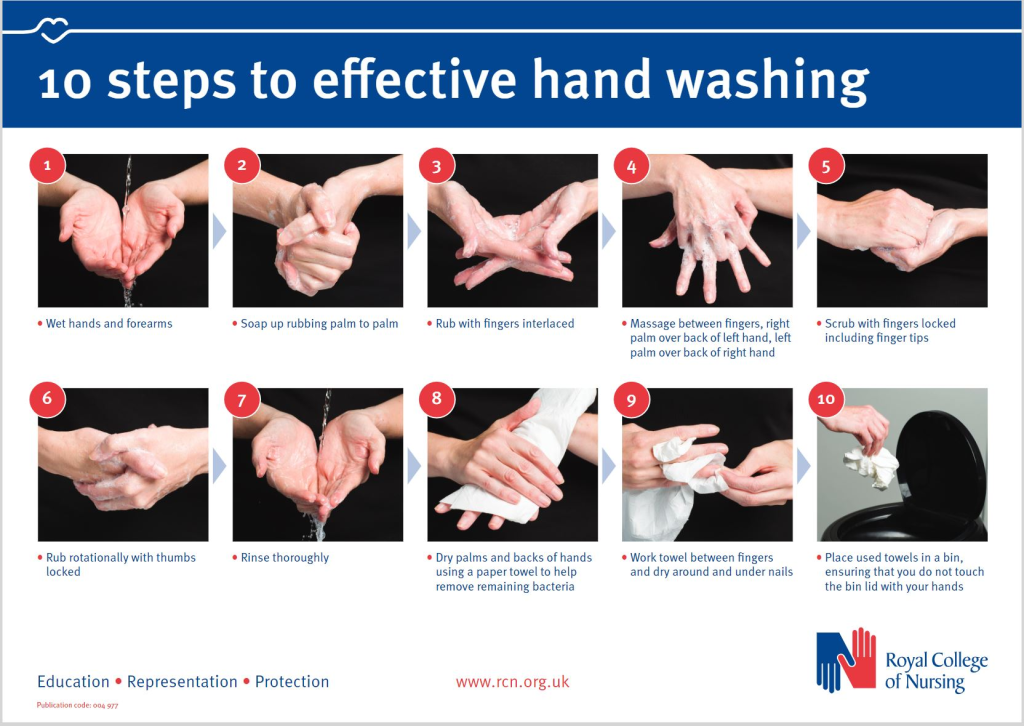
Fundamental Principles for Safer Meals
The World Health Organization (WHO) has established a set of food hygiene principles considered a “guiding framework” for both households and individuals. These recommendations emphasize consistency in practice, including selecting safe food, thorough cooking, consuming food promptly after preparation, and proper temperature control.
- Choose safe food: Prioritize fresh ingredients with clear origins. Raw vegetables and fruits should be thoroughly washed, soaked in clean water, and peeled when necessary.
- Cook thoroughly: Food should reach at least 70°C to eliminate harmful bacteria.
- Eat immediately after cooking: The longer food stays at room temperature, the higher the risk of contamination.
- Store at safe temperatures: Keep food hot above 60°C or refrigerated below 10°C.
- Reheat food thoroughly before eating: Especially important for food left for several hours.
- Avoid cross-contamination: Do not use the same knives, cutting boards, or utensils for raw and cooked food.
- Wash hands regularly: Apply both before food preparation and before eating.
- Keep utensils and kitchen areas clean: Items such as cloths, knives, and cutting boards should be cleaned regularly.
- Cover food: Prevent exposure to flies, dust, and insects.
- Use clean water: This includes water for cooking, mixing, and making ice.
Maintaining Healthy Eating Habits Amid Convenience
The widespread availability of fast food makes it challenging for many students to maintain a balanced and healthy diet. However, positive changes can begin with small daily habits.
Prioritize water or herbal tea instead of sugary soft drinks; choose whole grains over refined carbohydrates; and include fresh vegetables and fruits in your daily diet. Additionally, limiting fried foods, processed items, and high-sodium meats can help reduce strain on the digestive system.
If possible, preparing meals at home allows better control over ingredient quality while fostering a more positive connection with personal health. If cooking is not feasible, choosing safe and reliable eateries is essential. Clean spaces, absence of flies, tidy preparation areas, and vendors using gloves or protective tools are basic indicators of hygienic food establishments.
When ordering food online, checking store ratings, delivery times, and user reviews can help minimize risks. Upon receiving food, ensure the packaging is intact, the food has no unusual odor, and consume it promptly rather than leaving it at room temperature—especially on hot days.
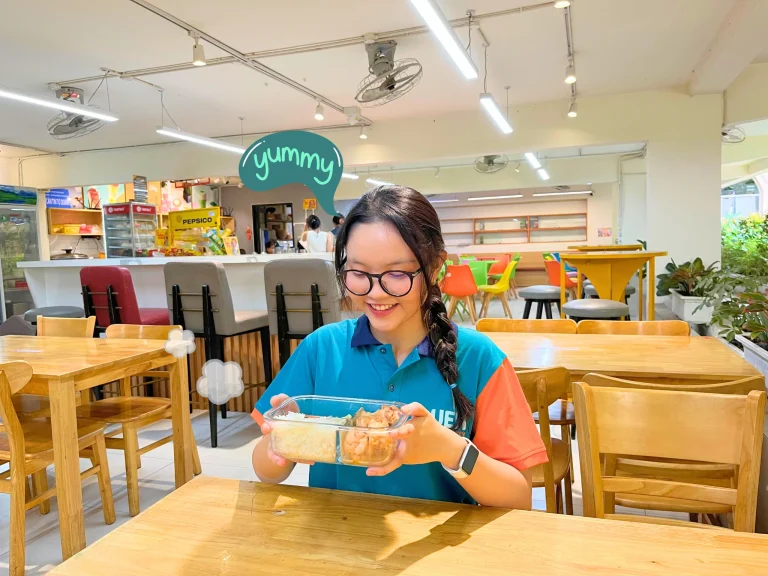
Choosing Safe Dining Environments
Building a Safe and Healthy UEH Community Together
Food safety is not solely the responsibility of authorities or food vendors. Every student, lecturer, and staff member within the UEH community contributes to a healthy living and learning environment through their daily choices.
By making responsible eating decisions, paying attention to food origins, and maintaining proper hygiene practices, we not only protect our individual health but also help build a sustainable, civilized, and safe academic community.
References
Ho Chi Minh City Department of Food Safety. (2026). Ensuring food safety during the hot season.
Ho Chi Minh City Department of Food Safety. (2026). Recommendations for street food safety.
Ho Chi Minh City Department of Food Safety. (2025). Five key practices for safer food.
World Health Organization (WHO). (2006). Five Keys to Safer Food.